Screen printing is a versatile and popular method of printing on various materials. It's a technique that's been used for centuries, and it's still going strong today.
Whether you're a DIY enthusiast, an artist, or an entrepreneur looking to start a small business, screen printing can be a rewarding venture. But to get started, you'll need the right supplies.
This guide will walk you through the essential screen printing supplies you need to kickstart your screen printing journey. From screens and inks to squeegees and emulsions, we've got you covered.

Understanding Screen Printing Basics
Screen printing involves transferring ink onto a material using a mesh screen. This technique is perfect for printing on fabric, paper, and more.
The process begins with designing your artwork and creating a stencil. The screen is then coated with emulsion to prepare it for exposure.
Once the screen is exposed and developed, ink is pushed through the mesh onto your substrate. The result is a crisp, detailed print.
Understanding the basics of screen printing helps ensure successful projects. Let's dive into the essential supplies needed to bring your creations to life.
Essential Screen Printing Supplies
To begin with screen printing, you need some basic supplies. These items will help you get started with screen printing.
Here's a list of essential screen printing supplies:
Acquiring these materials will set you up for a successful start.
Quality supplies are important for achieving detailed prints. This ensures vibrant colors and sharp designs. Choosing the right supplier, ensures access to reliable materials. High-quality supplies result in long-lasting, professional results.
Screens are key in screen printing, as they hold your stencil. Choosing the correct mesh count is crucial. Different mesh counts work for different designs. Lower mesh counts are ideal for thicker inks and bold designs as well as specialty inks such as shimmers and glitters. Higher mesh counts suit fine details and thin inks. Selecting the right mesh count ensures print clarity.
Frames: Wooden vs. Aluminum
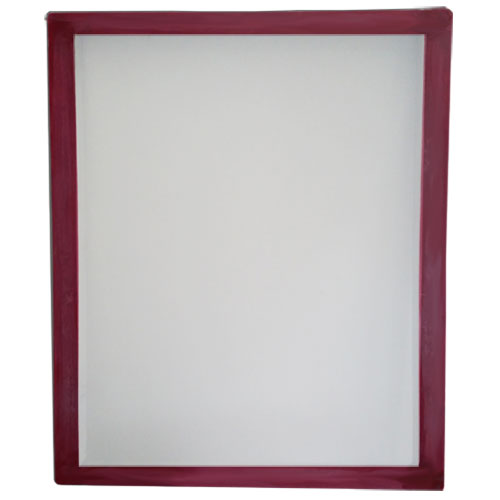
Frames hold the mesh screen taut. They come in wood or aluminum.
Wooden frames are affordable and easy to replace. However, they can warp over time with exposure to moisture.
Aluminum frames resist warping but cost slightly more initially. They provide longevity and stability, and are the preferred choice by most printers today.
Squeegees and Durometer
Squeegees push ink through the screen. The durometer, or hardness, affects ink flow.
Soft squeegees work well with thick inks, allowing for better coverage. Hard squeegees offer
more control with fine details. Selecting the right durometer helps balance ink application and design precision.
Inks: Water-Based vs. Plastisol
Ink selection impacts print quality and material compatibility. Water-based inks are eco-friendly and offer a soft finish. Plastisol inks, in contrast, provide vibrant, opaque colors on dark fabrics. They don’t dry on screens, which is beneficial for beginners. Choose inks based on your project needs and material types.
Emulsions and Screen Coating
Emulsion is crucial for making the stencil on your screen. It blocks areas on the mesh where you don't want ink. Properly coating your screen with emulsion ensures even exposure. This results in clear lines and defined details. Good emulsion application is a vital step in screen printing success.
Preparing Your Screen Printing Workspace
Creating an efficient workspace is crucial for smooth printing operations. Organize your area to accommodate essential screen printing supplies comfortably.
Consider these setup tips:
- Ensure good lighting for detailed work.
- Allocate space for drying screens.
- Keep tools within easy reach.
A well-organized workspace boosts efficiency and safety. It reduces errors and minimizes downtime.
A dedicated printing area also helps maintain a clean environment. This results in higher quality prints and more consistent results.
Exposure Units and Proper Exposure
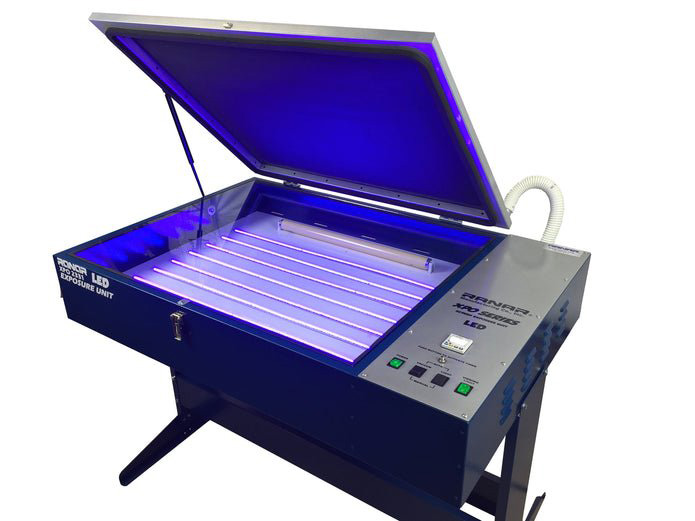
Exposure units determine the success of your stencil. They harden the emulsion to create your design. Choosing the right exposure unit ensures even exposure. This affects the sharpness of printed designs. Test exposure times for your specific emulsion and light source. Accurate exposure settings prevent under or over-exposure.
The Importance of a Washout Booth
A washout booth is essential for screen preparation. It helps remove unhardened emulsion post-exposure. Having a dedicated washout area prevents contamination. It ensures crisp, clear stencils for each project. Efficient booths also save on water and reduce splash mess. They improve your overall production workflow.
Curing Methods: Flash vs. Conveyor Dryers
Curing is crucial for ink durability. Flash dryers offer quick and targeted curing, suitable for small spaces. Flash Dryers are often used by beginners as their primary curing method. As your shop grows so will your need for additional curing output.
Conveyor dryers handle larger volumes. They provide consistent and even curing across designs. Choose a curing method based on your production scale. Proper curing extends ink longevity and washability.
Where to Buy Your Supplies
Finding the right screen printing supplier is crucial for your success in the field. When selecting a supplier, consider several factors beyond just price. A reputable supplier should offer a wide range of products to meet your diverse printing needs. This includes quality inks, screens, and other essential materials.
Service and support are equally important. Look for suppliers that provide excellent customer service and product support, helping you with any questions or challenges you may encounter. Reliability is another key aspect; a good supplier should have a proven track record of delivering products on time.
Additionally, consider the availability of items and the speed of shipping. Fast shipping ensures that you can get your hands on the supplies you need without unnecessary delays. Ultimately, the best suppliers will focus on quality products rather than just inexpensive options, ensuring that your prints achieve the vibrant colors and durability you desire.
By prioritizing these factors, you can enhance your screen printing experience and set yourself up for success in your creative endeavors.
Setting Up for Success: Tips and Tricks
Starting with screen printing can be a fun challenge. To ensure success, consider a few vital tips. These will help streamline your process.
First, plan your space for easy movement and workflow. This makes operations smoother and more efficient. Organizing your workspace reduces clutter.
Here are some helpful tips to consider:
- Keep essentials close at hand
- Regularly clean your tools and equipment
- Label inks and chemicals clearly
- Schedule routine maintenance
These practices can prevent common issues and save time. Consistency is key to improving your screen printing skills. With these tricks, your projects can run smoothly.
Conclusion: Starting Your Screen Printing Journey
Starting your screen printing journey can be both exciting and rewarding. With the right tools and supplies, you can create amazing prints.
Remember to be patient and practice often. Learning takes time and small mistakes happen, but they also offer valuable lessons. Dive into the world of screen printing with enthusiasm and creativity.
With dedication and quality supplies, your screen printing skills will grow. This journey offers a blend of creativity and craftsmanship. Enjoy the process and the satisfaction that comes with each successful print. Good luck as you start this engaging new hobby or venture!